
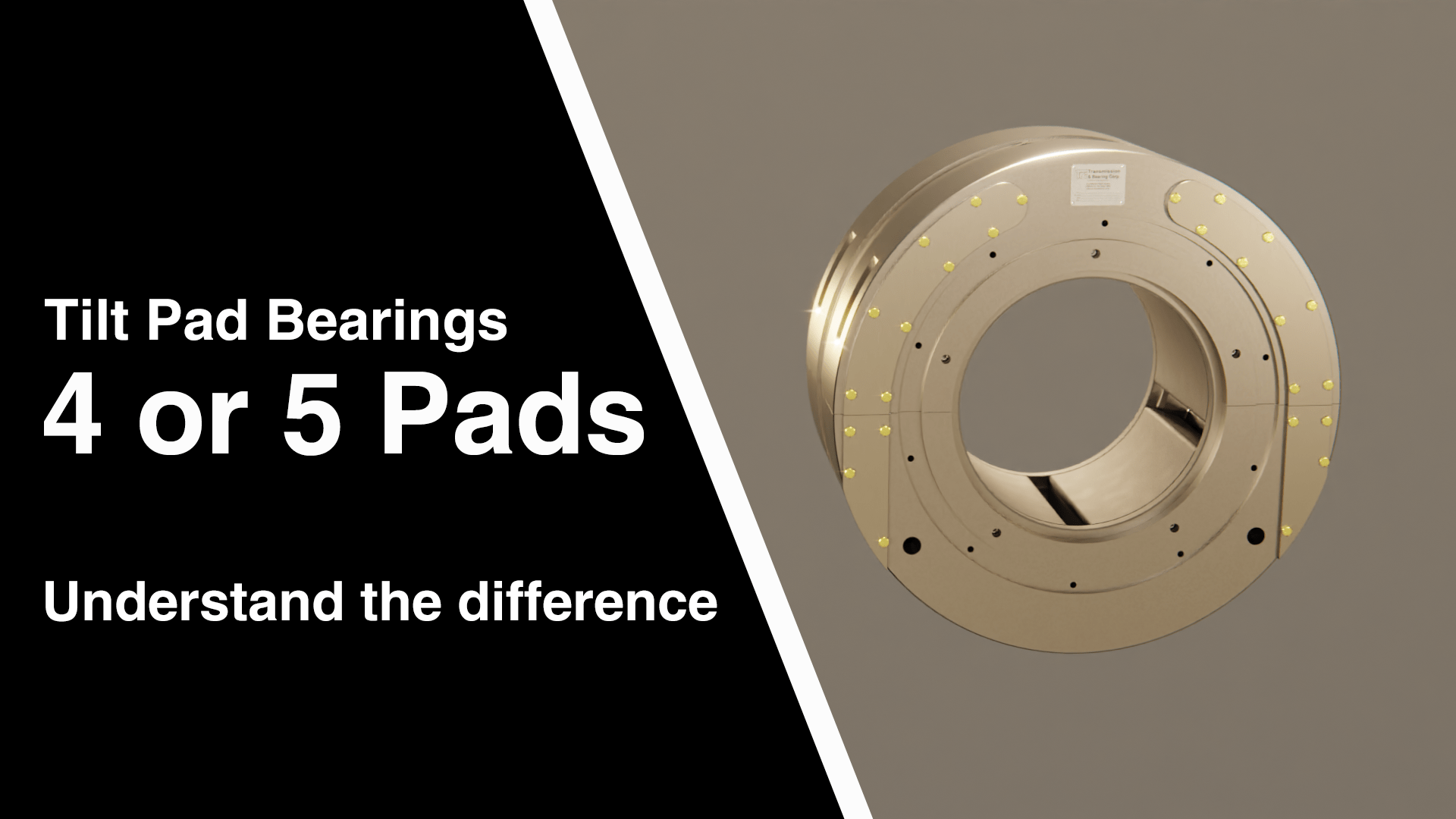
Today I released the 1st video in a series of four comparing two different tilt pad bearings. I created animations and 3D renders for the video in Blender. I also used the Blender Video Sequence editor to put it together.
The audio was mixed in Adobe Audition. It’s my first time using that program. It’s a huge step up from Audacity which I used in my past mixes…because it’s free. Audition has a function for remixing the background music to a length that matches the dialogue. It works great. I also discovered that it has a feature called “ducking” that increases the background music between pauses.
I used elevenlabs.io to clone my voice and then transcribe the text into audio. Elevenlabs is an AI tool. I spluged and signed up for the $1 per month upgrade fee. This tool was a lot faster then recording it with a microphone, and much faster when making tweaks to the script after the original recording. I think it sounds pretty good, but not great. There are definitely portions of the recording that sound off.
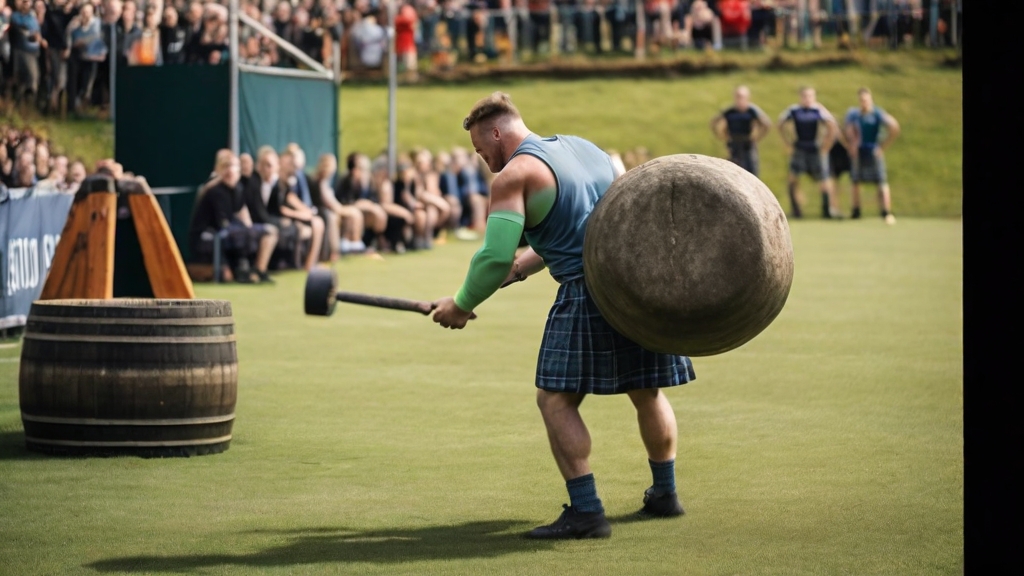
I tried to use AI to create an image or video of a Highland games competitor lifting a heavy rock. I’m new to these tools, so I’m not saying it can’t be done, but the results I got was ridiculous. Here’s one that made me laugh out loud. I asked it to make a guy in front of a barrel lifting a large rock.
I did a lot of experimenting with animated white lines over a blueprint background. These were easy to make fast to render. One of the new techniques that I used was to add a grease pencil to a scene and then use the line art modifier to trace a 3d model. The 3d model is a simple white diffuse material and the line art is a brighter white. It’s rendered over a transparent background. It’s then brought into the video sequence editor over a blueprint background. The compositing blend it set to “add”. To make the overlay more or less bright, you can multiply the color.
For those who are not familiar with tilt pad bearings, they are a type of hydrodynamic bearing commonly used in high-performance machinery, such as turbines and compressors. They consist of a series of pads that are tilted to create a film of lubricant between the rotor and the stator, reducing friction and wear.I
 Simmer3D